

This October, Bengaluru, the beating heart of India’s innovation and technology landscape, played host to the 2025 Karman Fellowship cohort, a global community of leaders shaping the future of the space industry.
Over the course of a week, the city became a meeting point of ideas and ideals, where science met policy, technology met purpose, and collaboration transcended borders. The Fellows’ visit was not just a glimpse into India’s rapidly evolving space ecosystem; it was a moment to collectively reflect on the changing role of space in addressing humanity’s most pressing challenges.
A Heritage Walk Through Innovation and Identity
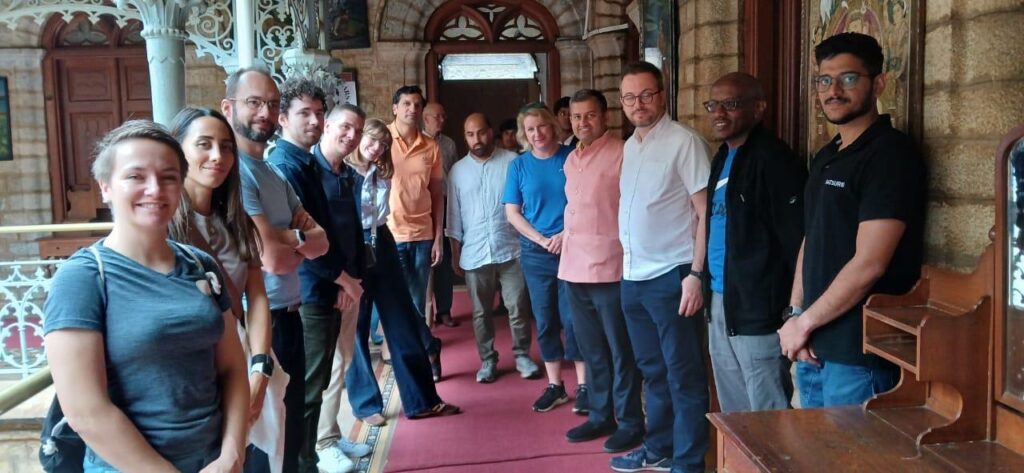
The Fellows’ experience began with a heritage walk through Bangalore Palace, a landmark that embodies the city’s rich cultural legacy and historical depth. Beneath the vaulted ceilings and regal corridors, conversations drifted naturally from architecture to innovation, from the stories of the past to the possibilities of the future.
For many Fellows, this opening experience offered more than sightseeing. It sparked reflection on how societies evolve when knowledge and imagination intersect. Just as Bengaluru transformed from a colonial cantonment into a global technology capital, the space industry also is in a phase of reinvention, moving from exploration to enablement, and from discovery to decision-making.
The Palace walk set the tone for the week: progress is not about breaking away from tradition, but about building on it. In a world where space technologies are now essential to solving terrestrial problems, be it climate adaptation, food security, or sustainable infrastructure, the dialogue reminded everyone that innovation thrives when it remains grounded in purpose.


At the Crossroads of Earth and Space
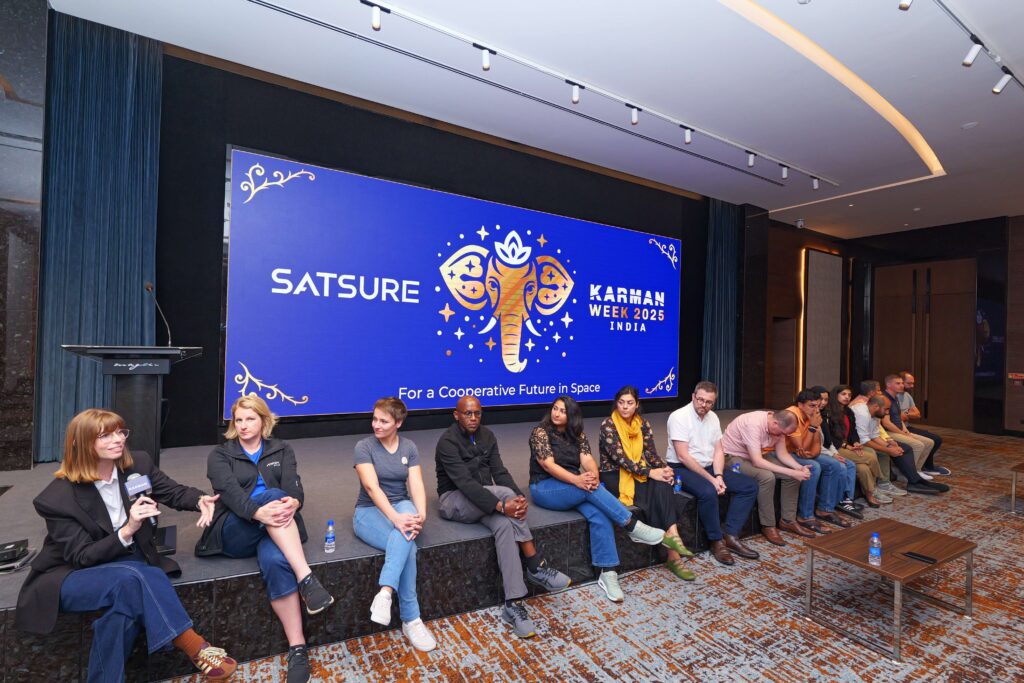
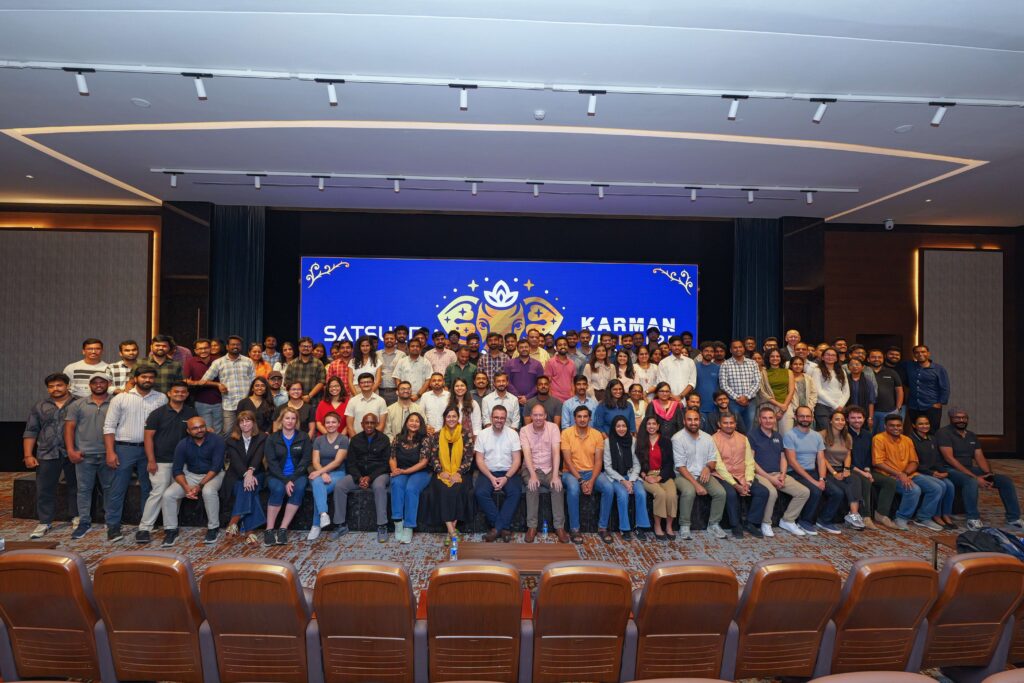
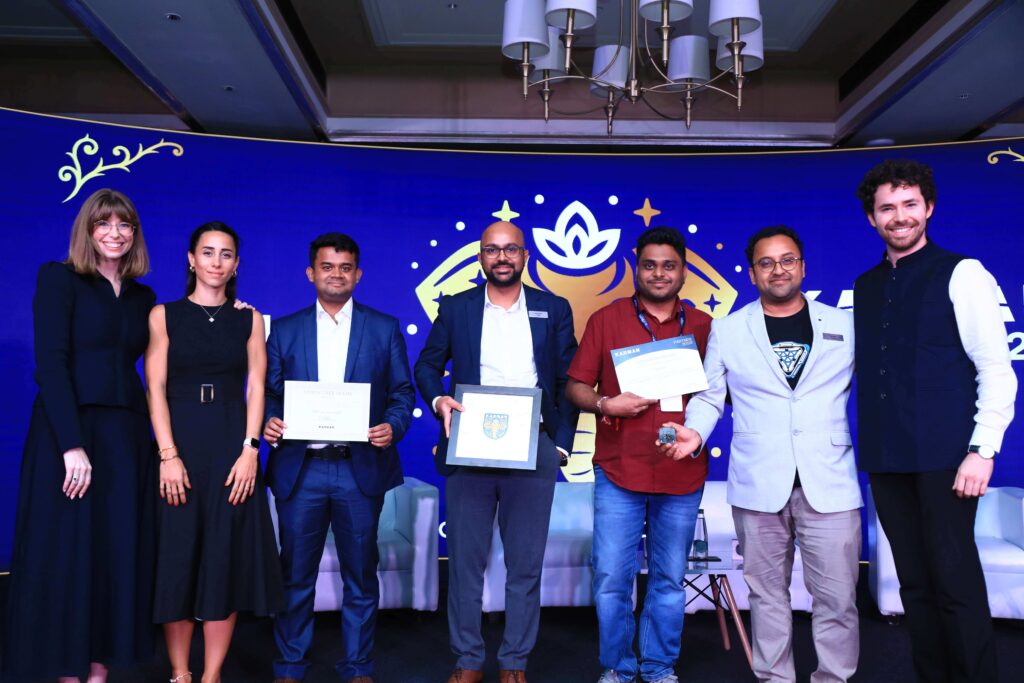
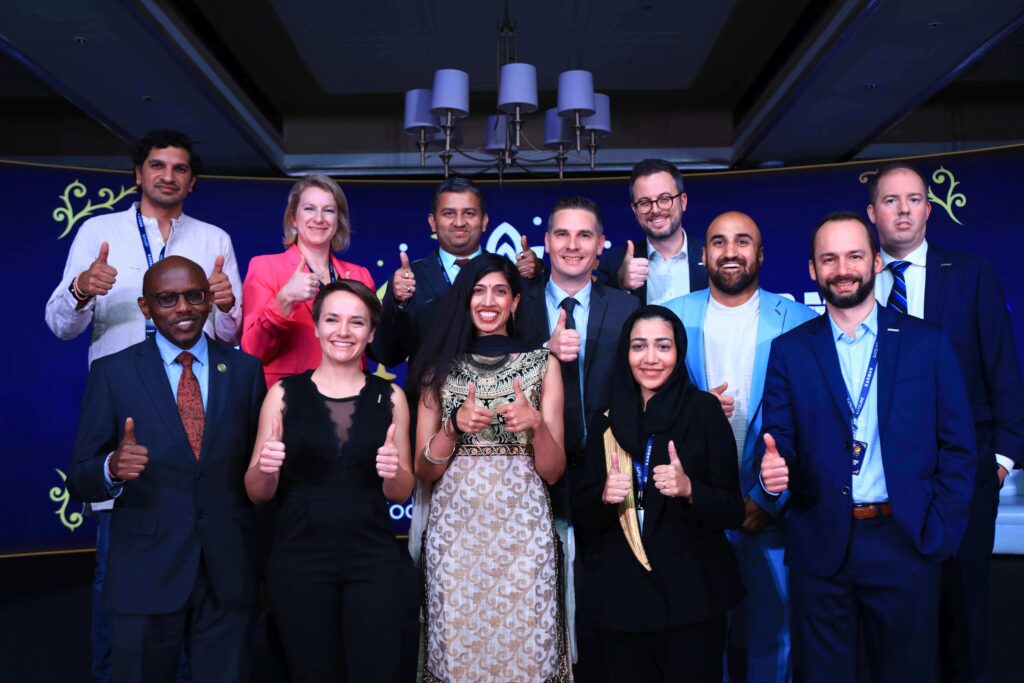
The week reached a memorable high point on Thursday’s Public Day, when the Karman Fellows gathered at the Prestige Falcon Auditorium in Bengaluru’s innovation corridor for the High-Level International Summit and Gala Dinner.
This public forum brought together an extraordinary cross-section of the global space ecosystem, from government representatives and multilateral agencies to entrepreneurs, investors, and scientists, to exchange ideas on how the next chapter of the space economy can be scaled responsibly and inclusively. It was both a celebration of India’s expanding role in the global space landscape and a platform for candid discussion on what it will take to sustain that growth.
Key discussions centered on three themes defining the future of the industry:
- Ecosystem Financing and Collaboration
The Fellows explored the idea that the next leap in the space economy will not come from isolated innovation but from integrated ecosystems. Drawing from models in the U.S. and Europe, where anchor customers such as NASA, ESA, and Copernicus play catalytic roles, participants examined how public-private partnerships, blended finance, and corporate ESG mandates can de-risk early-stage ventures in emerging markets.
India’s growing network of space-focused startups and government initiatives was seen as fertile ground for such models to evolve. The conversation recognized that sustainable financing frameworks will be as critical to the future of space as launch capabilities or payload technologies. - From Data to Decisions
As the world enters an era of exponential data growth, Earth Observation (EO) is emerging as one of the most powerful tools for planetary intelligence. The Fellows reflected on how the integration of AI, ML, and EO data can drive actionable insights across industries, enhancing climate risk assessment, optimizing infrastructure development, and strengthening agricultural productivity.
The discussion emphasized that the next frontier is not sharper imagery but stronger architecture, robust systems capable of turning petabytes of raw data into trusted intelligence. This aligns with the growing belief across the industry that the future of geospatial intelligence lies in interoperability, scalability, and accessibility, not just in technological superiority. - India’s Expanding Role in the Global Space Ecosystem
India’s rise as a credible global space player was a recurring theme. The Fellows observed how the country is rapidly moving beyond being a low-cost launch provider to becoming a strategic data and analytics powerhouse.
From indigenous EO satellite programs to private-sector innovation in analytics, India’s unique combination of talent, infrastructure, and policy momentum is positioning it as a bridge between advanced spacefaring nations and emerging economies.
One Fellow aptly summarized, “India is demonstrating how democratizing access to space data can democratize opportunity on Earth.”
The day concluded not with ceremony but with shared conviction, that the success of the global space economy will hinge on our collective ability to translate space innovation into tangible Earth impact.
Science, Systems, and the Next Generation: A Visit to IISc
The following day, the Karman Fellows visited the Indian Institute of Science (IISc), one of India’s foremost centers for scientific research and technological advancement. The campus, surrounded by ancient trees and modern laboratories, served as the perfect backdrop for discussions that merged rigor with imagination.
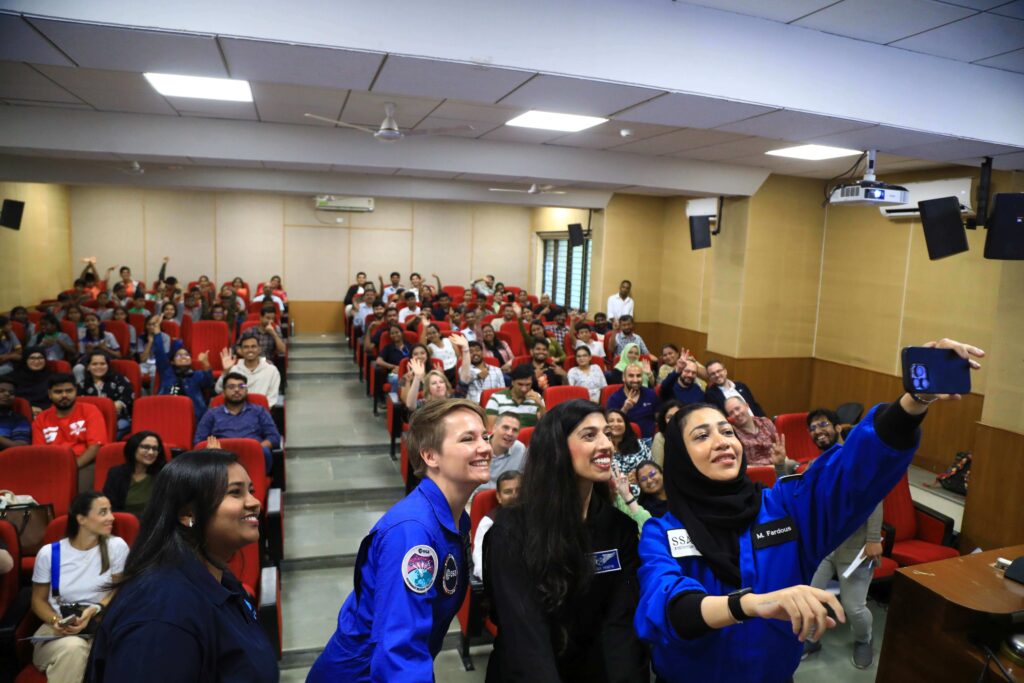
The following morning, the Karman Fellows visited the Indian Institute of Science (IISc), a cornerstone of India’s scientific heritage. The visit, organized in collaboration with Genex Space, offered a different kind of inspiration: not research demonstrations, but human connections across generations united by curiosity about space.
From primary-school students to doctoral candidates, the Fellows engaged with young learners who represent the next generation of scientists, engineers, and explorers. The discussions focused less on showcasing technology and more on sharing perspectives, what it means to build a career in space, to collaborate across cultures, and to see science as a service to society.
Many Fellows reflected on how these interactions underscored the purpose of the Karman Fellowship itself: to inspire and empower future changemakers. For the students, meeting global leaders in space policy, entrepreneurship, and innovation made tangible the idea that careers in space are not distant dreams but attainable realities.
The IISc visit captured the human side of the space industry, the belief that while technologies evolve, the spirit of exploration remains constant.

The Broader Reflection: A Fellowship Beyond Borders
Throughout their time in Bengaluru, a common sentiment echoed among the Fellows, the understanding that space is no longer an exclusive domain of exploration; it is a shared platform for collaboration.
In every conversation, from the Palace to the Summit to the IISc corridors, the underlying message was clear:
The next phase of the space economy will be driven not by competition, but by connectivity.
As one Fellow noted, “The real measure of progress is not how far we go into space, but how deeply we understand Earth.”
This evolving mindset marks a profound shift, from a space race to a space alliance, where nations, companies, and communities co-create frameworks for sustainability, equity, and innovation.
For the Karman Fellows, Bengaluru became a lens through which to view this transformation. The city’s unique blend of science, enterprise, and social consciousness mirrored the very ethos of the fellowship, an ecosystem where bold ideas are not just imagined, but implemented.



A Shared Orbit of Possibility
As the Fellows departed Bengaluru, what remained was a sense of momentum. The discussions held here, on sustainable finance, architectural intelligence, ethical AI, and planetary stewardship, will continue to shape dialogues in boardrooms, classrooms, and policy circles across the world.
In the grand narrative of the global space economy, Karman Week 2025 in Bengaluru was more than an event, it was a statement of intent.
It reaffirmed that the future of space lies not in the conquest of the cosmos, but in the convergence of disciplines, data, and human purpose.
The Fellows’ journey serves as a reminder that while rockets may leave Earth, every mission ultimately returns home, to solve problems that begin, and must be solved, here.
And that is perhaps the most profound outcome of all:
a shared understanding that the frontier of space is, at its heart, a story about Earth.